Cinematic Arts for Health
Cinematic arts possess a unique power to heal, educate, and awaken human consciousness. Through film, documentaries, visual storytelling, music, and dramatic expression, complex health issues can be transformed into deeply emotional and accessible experiences that touch both the mind and the heart. Cinematic Arts for Health is an exploration of how creativity and compassion can work together to raise awareness about physical and mental well-being, inspire social responsibility, and give a human face to pain, healing, and survival. By combining artistic vision with public health messages, cinema becomes more than entertainment — it becomes a powerful instrument of empathy, education, and social transformation.
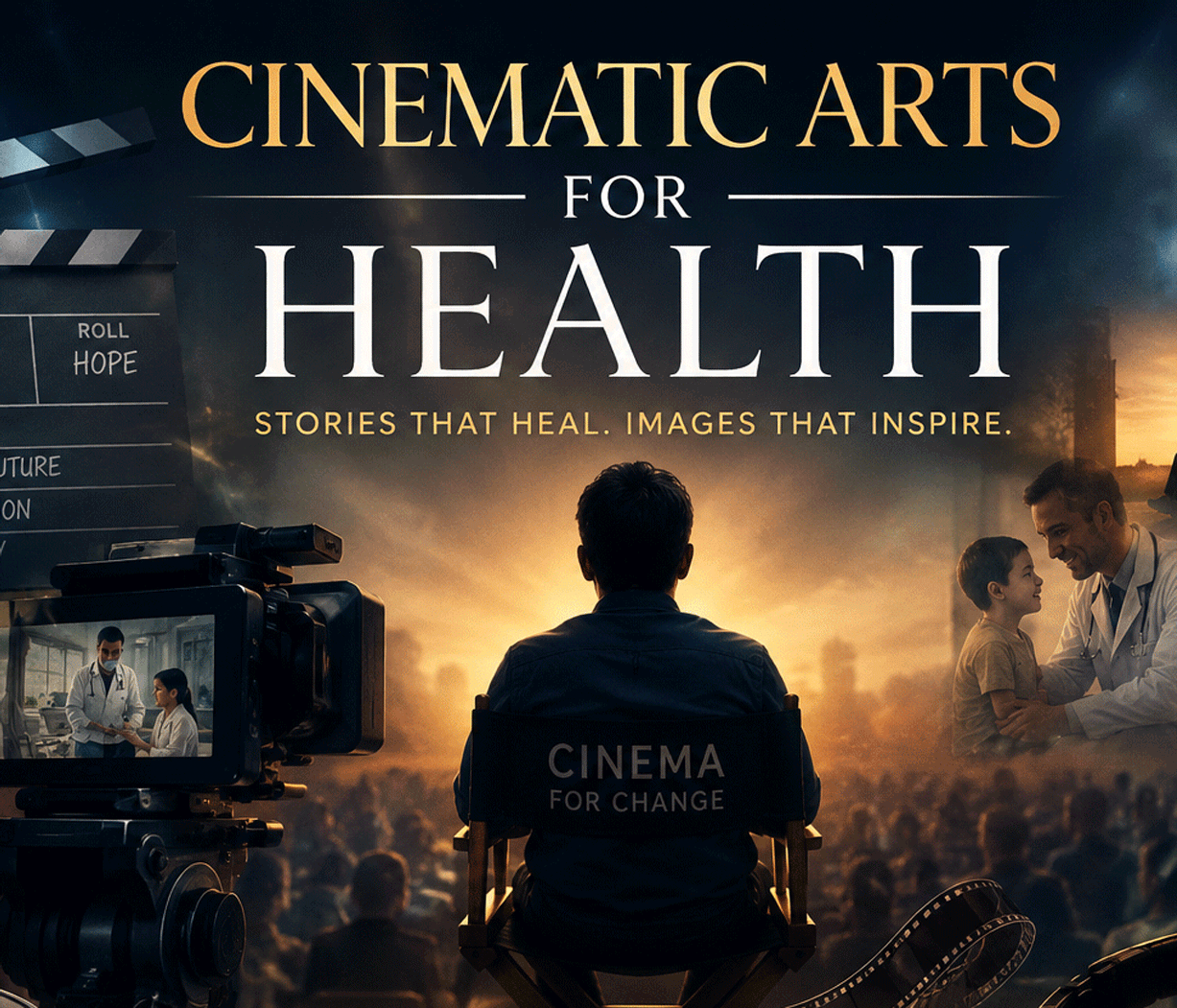
Cinematic arts can break the silence surrounding illness by creating stories that people emotionally remember long after the screen fades to black. They provide patients and communities with a sense of visibility, dignity, and emotional connection that traditional awareness campaigns often fail to achieve. Through powerful imagery and human-centered narratives, art encourages dialogue about suffering, resilience, and hope in ways that statistics alone never can. In a fragmented and distracted world, creative storytelling has the ability to unite audiences around compassion, understanding, and collective healing. It also creates a bridge between science and emotion, making complex medical realities understandable to ordinary people. By giving voice to invisible struggles, cinema transforms patients from statistics into deeply human stories of courage and survival. In many cases, a single powerful film can inspire awareness, empathy, and social action more effectively than years of formal campaigns.
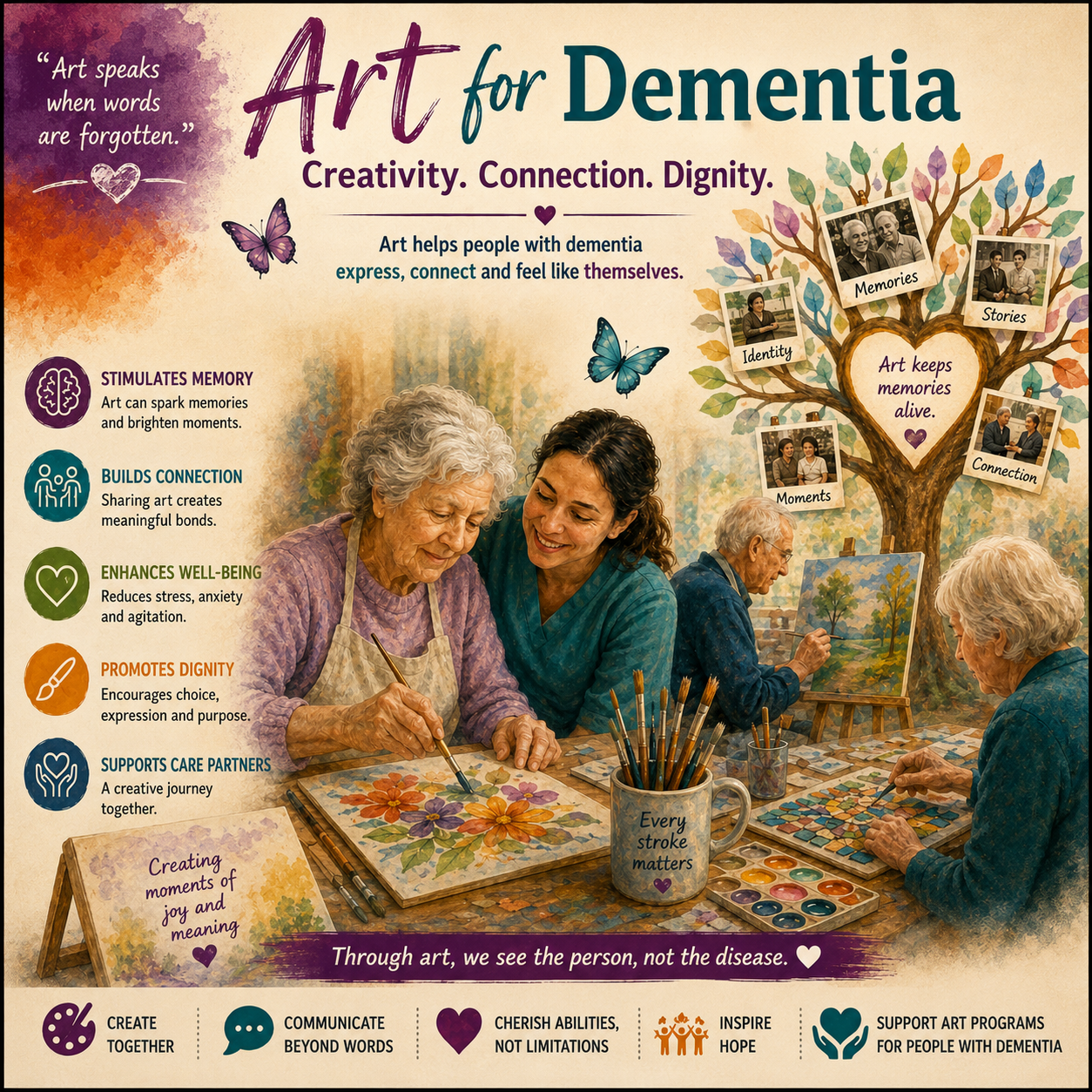
Art for Dementia is a compassionate approach that uses creativity to reconnect people with their memories, emotions, and sense of identity. Through painting, music, storytelling, and visual expression, individuals living with dementia can communicate feelings that words often fail to express. Artistic activities help reduce loneliness, anxiety, and confusion while creating moments of joy, dignity, and human connection. More than therapy, art becomes a bridge between fading memories and the enduring beauty of the human spirit. It allows families and caregivers to rediscover emotional bonds that illness often places under strain. Creative engagement can awaken forgotten emotions, familiar rhythms, and fragments of personal history that still live deep within the mind. In this way, art becomes not only a form of care, but also an affirmation that humanity, emotion, and identity continue to exist beyond memory loss.
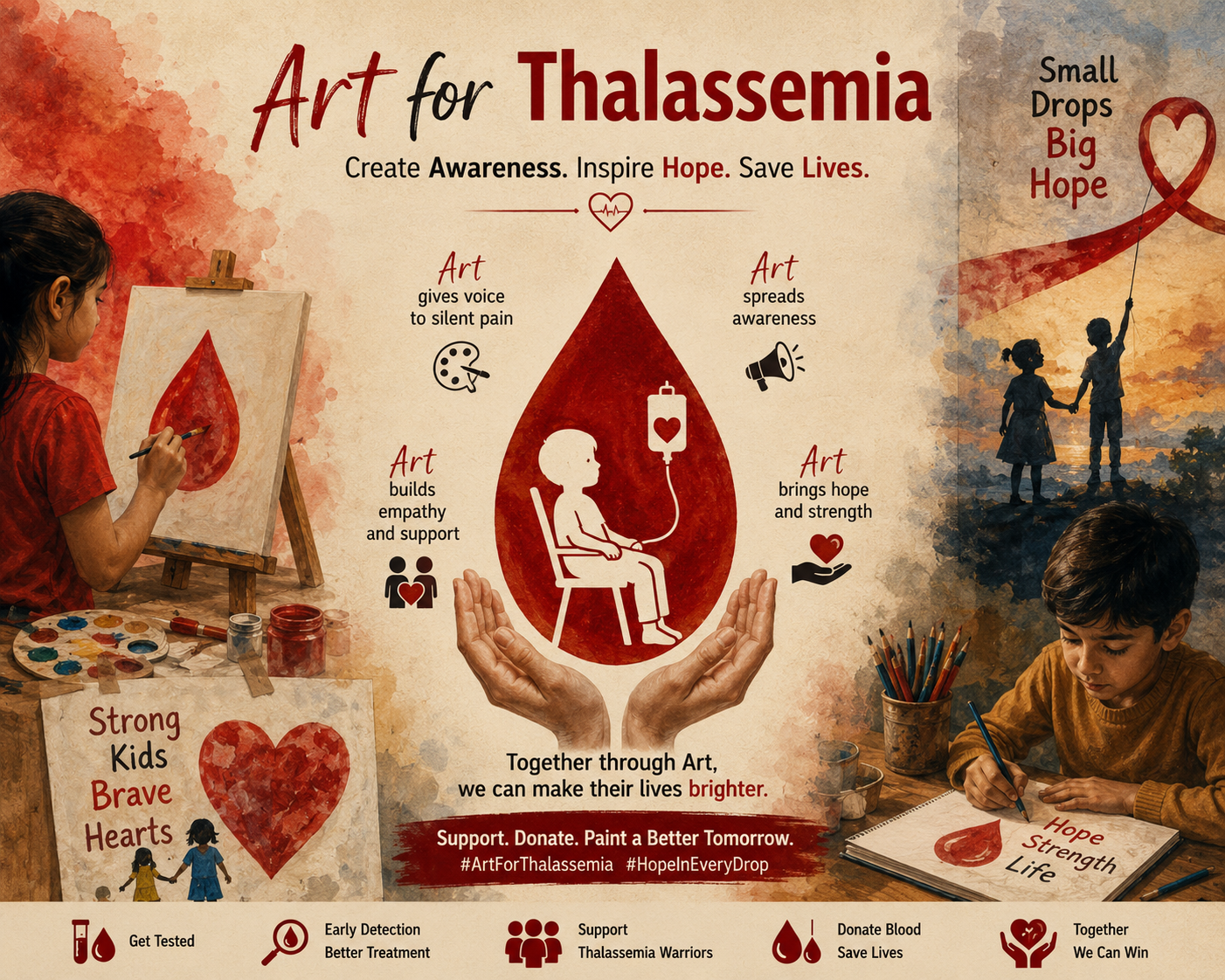
Art for Thalassemia is a creative movement that transforms pain, struggle, and hope into powerful visual and emotional expression. Through film, painting, music, and storytelling, it helps raise awareness about the lives of children and families affected by thalassemia. Art gives a human face to the disease, inspiring empathy, blood donation, and social responsibility within communities. By turning awareness into emotion, creativity becomes a source of strength, healing, and hope for a better future. It also helps break the stigma and silence that often surround chronic illnesses in many societies. Through emotionally powerful stories and imagery, audiences begin to understand not only the medical challenges of thalassemia, but also the emotional resilience of those living with it every day. In this way, art becomes a voice for patients and families, transforming compassion into awareness, support, and meaningful social action.
Dr. Iftikhar Ahmed, a highly respected figure within the NHS, will deliver a special lecture on the transformative role of cinematic arts in healthcare and social awareness. His talk will explore how creative storytelling, film, and drama can break the silence surrounding illness and mental suffering by turning invisible pain into emotionally powerful human narratives. Drawing upon his significant contribution to the development of dramas focusing on Dementia and Thalassemia, Dr. Ahmed will discuss how cinema has the unique ability to create empathy, restore dignity to patients, and bridge the gap between science and human emotion. He will highlight how visual storytelling often succeeds where conventional awareness campaigns fail, leaving lasting emotional and social impact on audiences.
During the session, Dr. Iftikhar Ahmed will also speak about mental health representation in literature and cinema, with particular reference to Mansoor Afaq’s important novel Still Here, which explores the deeply sensitive subject of depression and emotional isolation. The discussion will examine how artistic narratives can humanize psychological struggles and encourage open conversations around mental health in modern society. By connecting literature, cinema, and healthcare, the lecture aims to inspire a broader understanding of compassion, resilience, healing, and the social responsibility of the arts in addressing contemporary human suffering.

Multicultural Resource Centre
The Multicultural Resource Centre is a key partner of the Indus to Thames Festival, supporting public health awareness through arts and community engagement. The Centre focuses on raising awareness of Autism, Dementia, and Depression, using creative and educational programmes to promote understanding and wellbeing.Its mission closely aligns with the festival’s goal of using creativity to address important health challenges and reduce stigma around mental health conditions.Leading this work is Abdul Shakoor, whose dedication and leadership have earned great respect within the community. Through his commitment to public service and social wellbeing, he has helped develop initiatives that bring people together through awareness, culture, and compassion. His support for the festival has been invaluable.
