Exhibition Paintings of Mahrukh

Mahrukh Naveed Khan
For those who wish to own Mahrukh’s extraordinary artwork, this exhibition offers a rare and inspiring opportunity to experience and purchase her paintings firsthand.
From the Indus to the Thames: Mahrukh’s Paintings Embark on a Journey Across Britain
A remarkable artistic journey is about to unfold in the heart of Britain. What was originally planned as a major exhibition at Oldham Art Gallery on 22 June has been rescheduled due to technical reasons. The exhibition will now open on 21 August at The Primrose Centre, Oldham, before continuing as part of a travelling series with further exhibitions in Birmingham and London.
More than a display of paintings, the exhibition is an invitation into a world where memory, civilisation, spirituality and artistic imagination converge. It forms part of the wider cultural programme, "Indus to Thames: A Journey of Rivers, Cultures and Dreams," a visionary celebration exploring the shared heritage of art, literature, identity and human experience across cultures.
The title itself carries poetic significance. Rivers never merely transport water; they carry history, migration, grief, beauty and dreams from one civilisation to another. Just as the River Indus shaped one of humanity's earliest cultures and the River Thames became a symbol of modern Britain, this exhibition creates an artistic current flowing between two worlds. Within that journey, Mahrukh's paintings become luminous bridges connecting memory with imagination, East with West, and tradition with contemporary expression.
Her paintings do not simply occupy gallery walls—they possess a living presence. Every canvas breathes with the pulse of forgotten civilisations and the quiet echoes of untold stories. Through richly layered textures, luminous colours and emotionally charged compositions, Mahrukh transforms painting into a visual language that speaks directly to the human spirit. Memory lives within her brushstrokes, poetry resides in her shadows, and spirituality emerges from the silence between colours.
Inspired by the creative legacy of Sabir Raza, the exhibition presents a visual narrative that symbolically travels from the Indus to the Thames. Yet these paintings extend far beyond geography. They explore migration without borders, identity beyond confinement and a humanity that transcends political and cultural divisions. One canvas recalls the dust and warmth of ancient South Asian streets; another reflects the quiet solitude of exile and displacement in the modern world. Her work moves effortlessly between history and the present, inviting viewers into an intimate conversation with both.
One of the most remarkable qualities of Mahrukh's work is its ability to unite diverse dimensions of human experience. The wider festival embraces themes of healing, memory, spirituality, literature and cultural interconnectedness, and her paintings embody each of these ideas with extraordinary sensitivity. Rather than merely presenting aesthetic beauty, her art awakens emotional memory. The experience is almost reciprocal—the visitor studies the painting, yet somehow feels equally observed by it.
A profound feminine presence flows throughout her artistic universe. Elegant yet resilient, intimate yet universal, her figures often exist somewhere between dream and reality, carrying echoes of mythology, longing, endurance and spiritual awakening. Her paintings remind us that the highest purpose of art is not decoration but transformation.
The exhibition accompanies a wider programme featuring theatre, documentary screenings, multilingual poetry, literary conversations, panel discussions and performances exploring healing through creativity and shared cultural heritage. Yet at the emotional heart of the festival stands Mahrukh's collection—a visual heartbeat connecting every strand of the larger narrative.
In an age dominated by speed, distraction and relentless noise, Mahrukh's paintings offer something increasingly rare: silence, reflection and genuine human connection. They invite audiences not merely to observe, but to experience; not merely to admire, but to remember. They remind us that art remains one of humanity's few universal languages—capable of crossing borders without passports, transcending cultures without translation, and entering the human heart without permission.
work of mahrukh
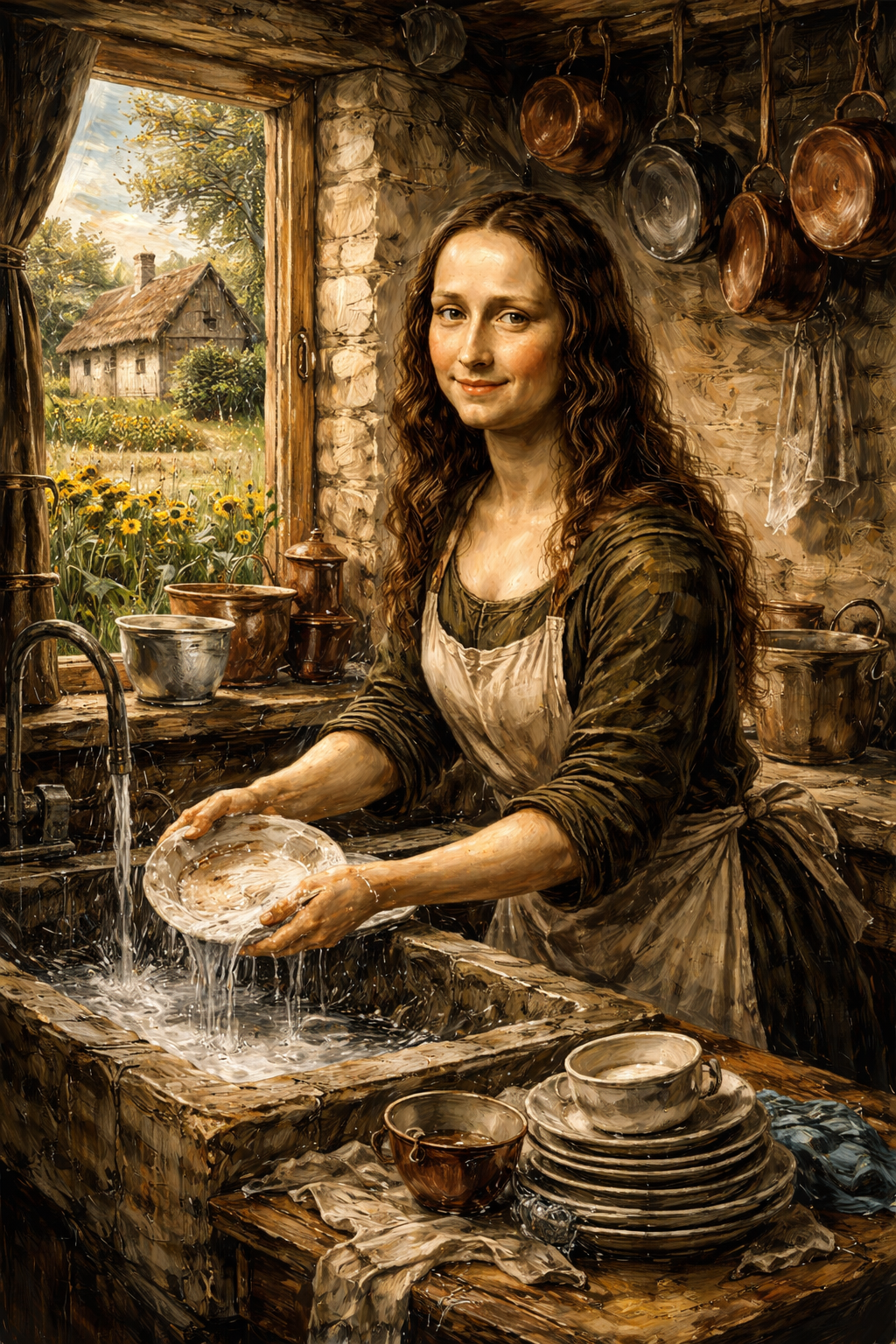
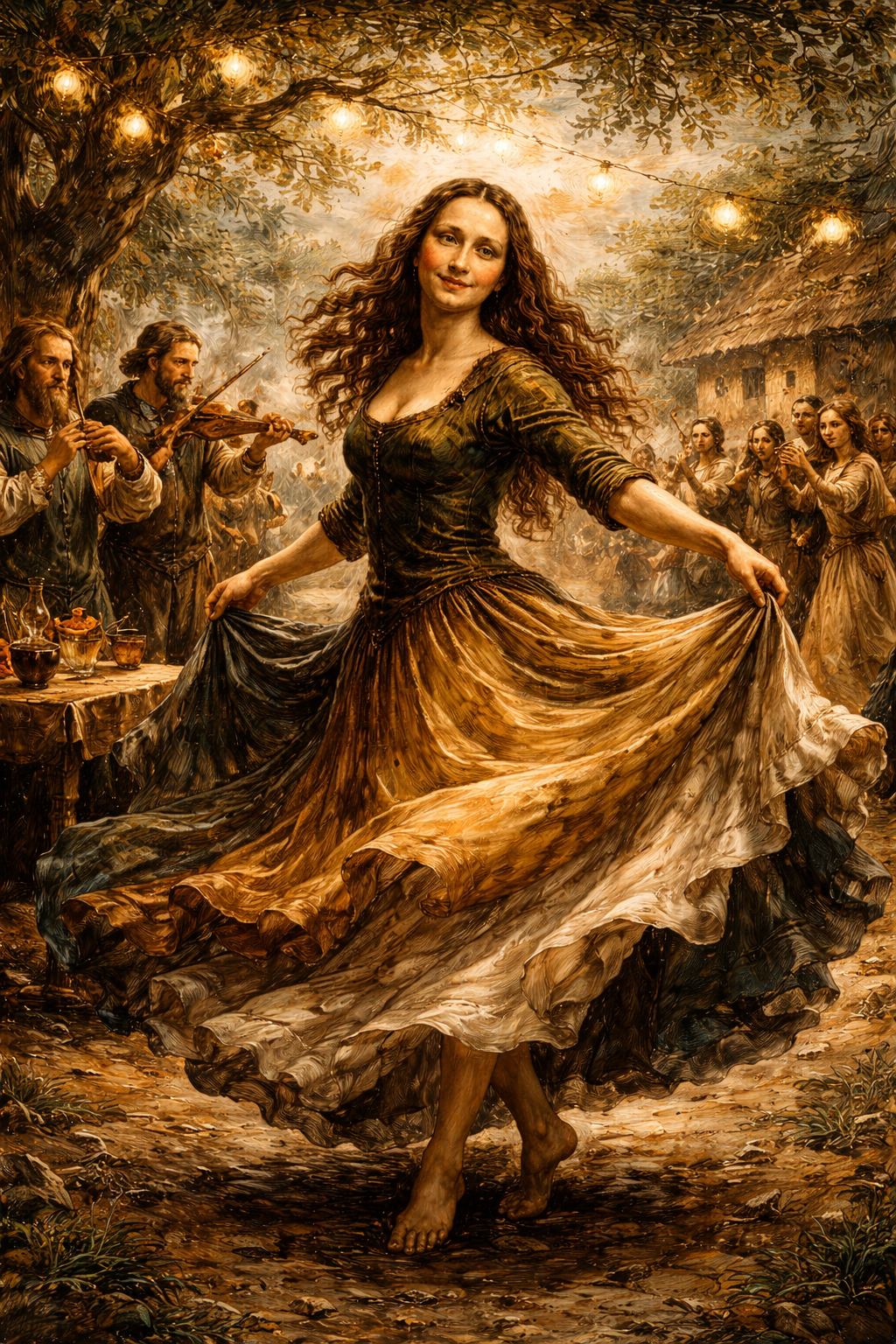
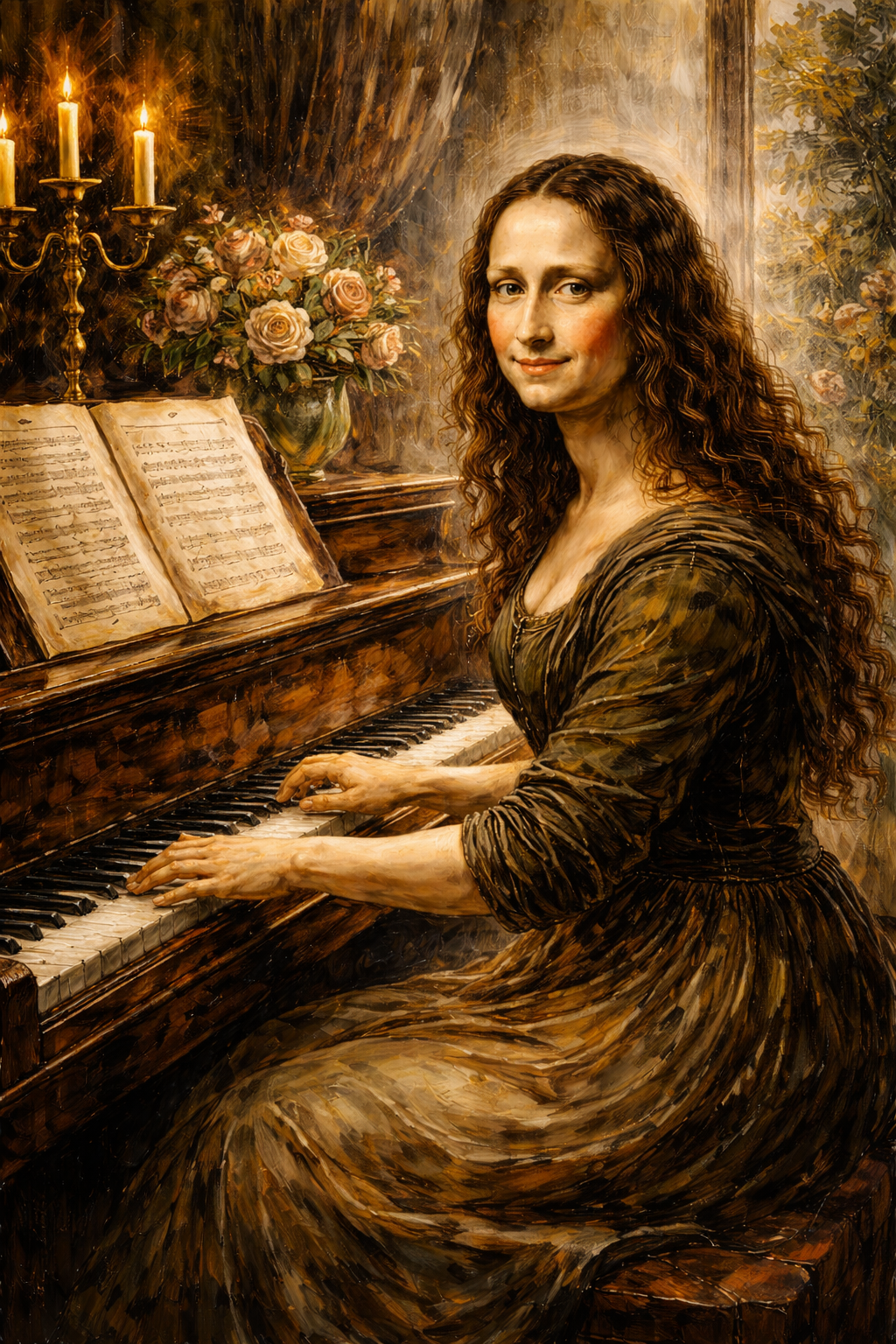
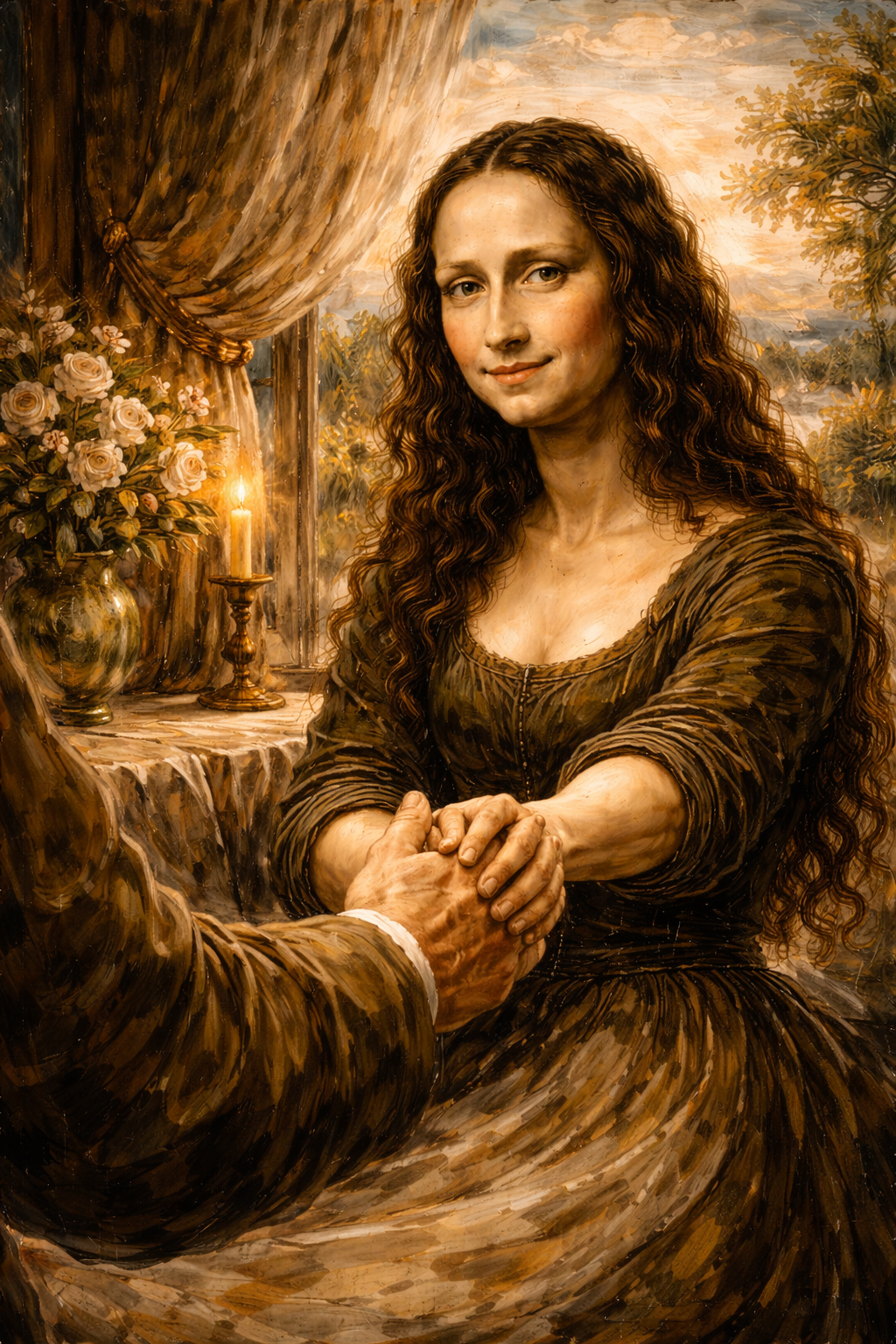
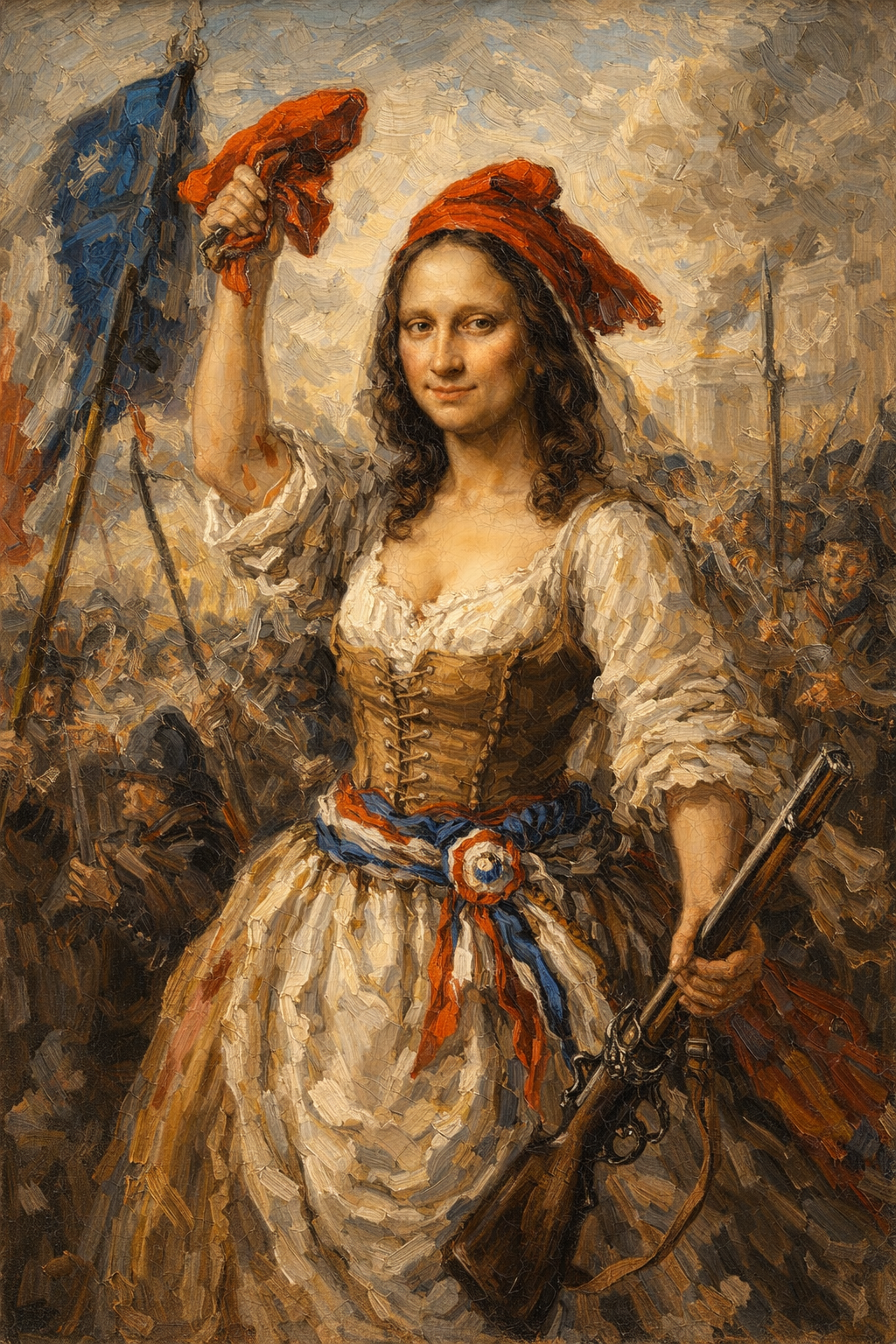
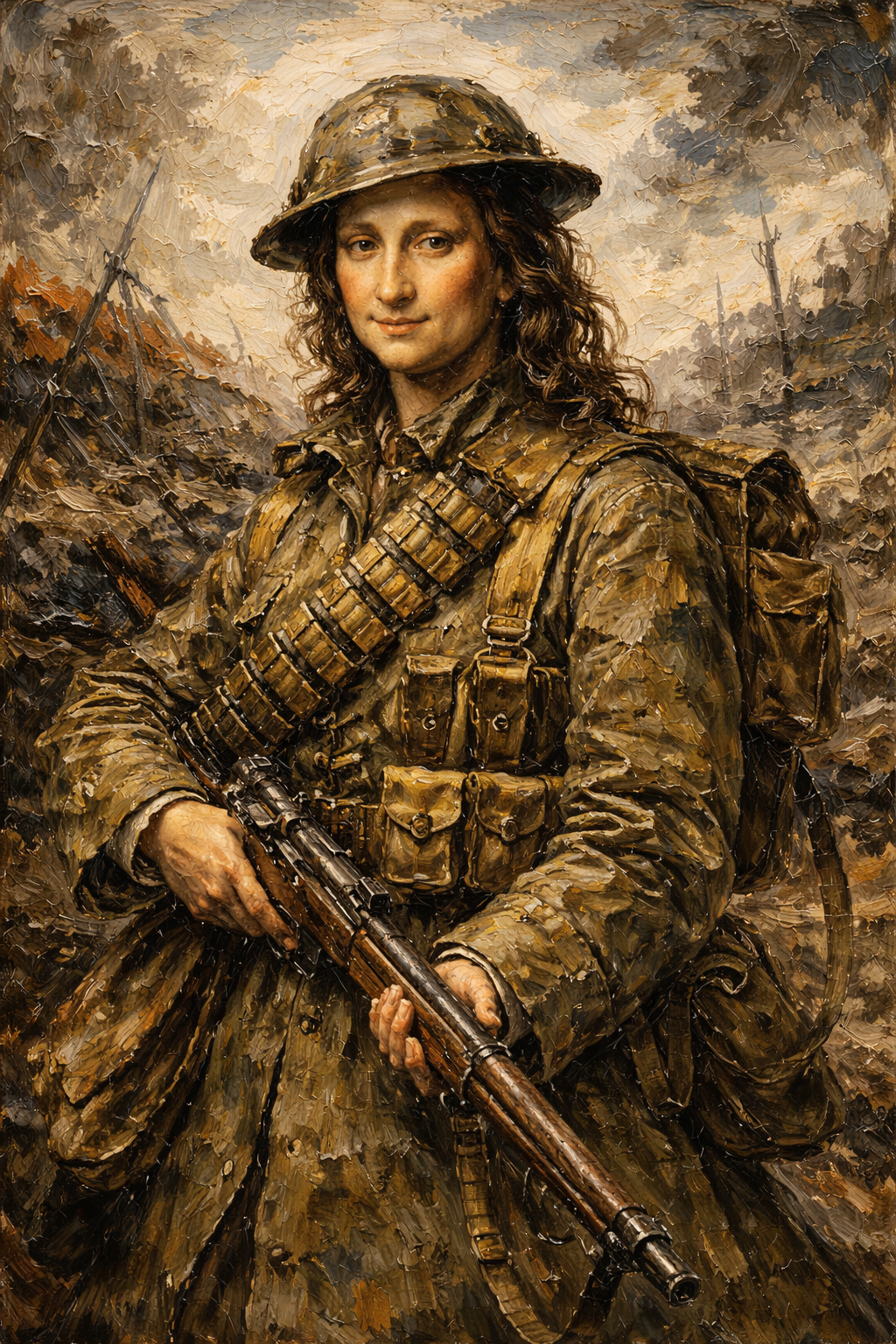
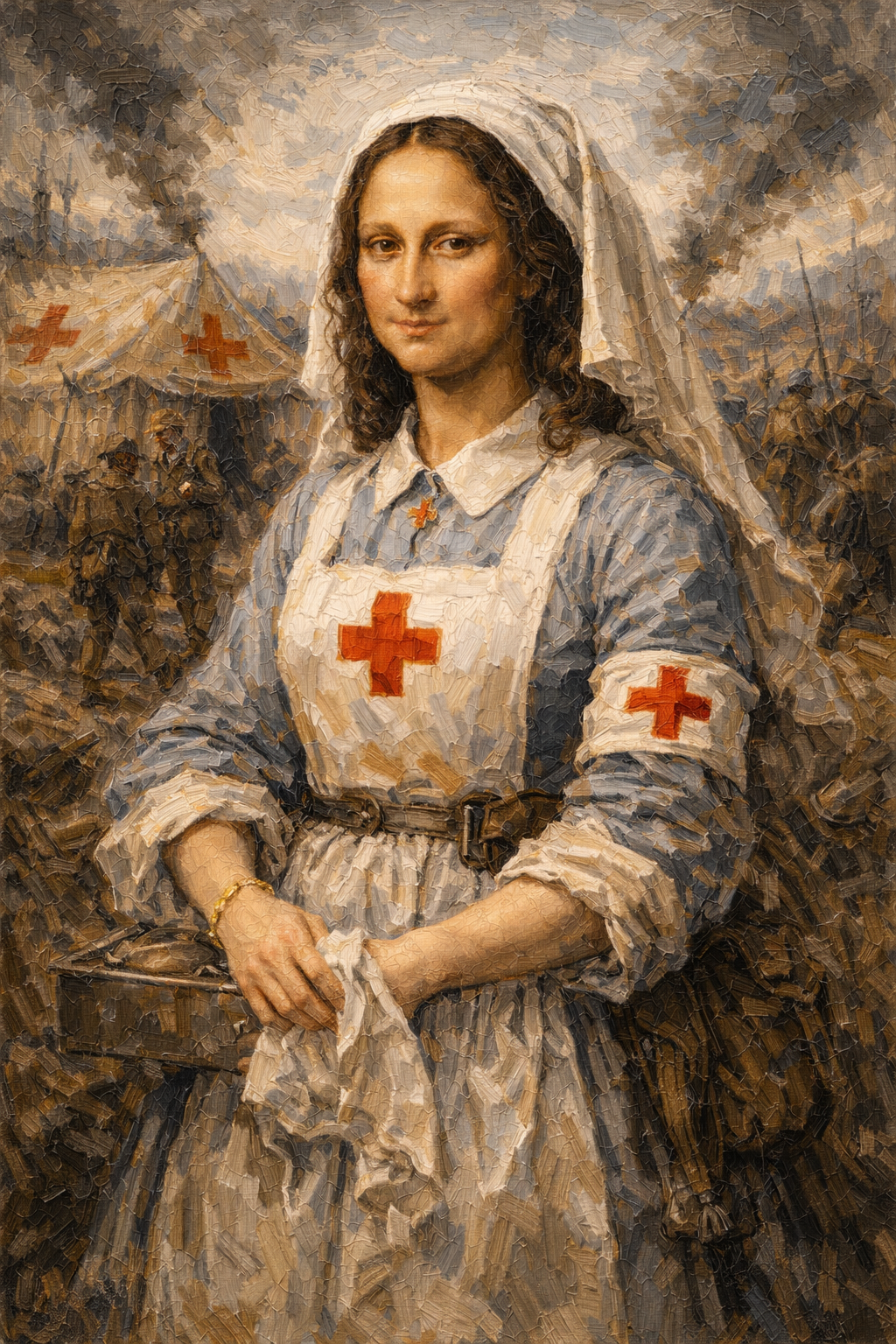
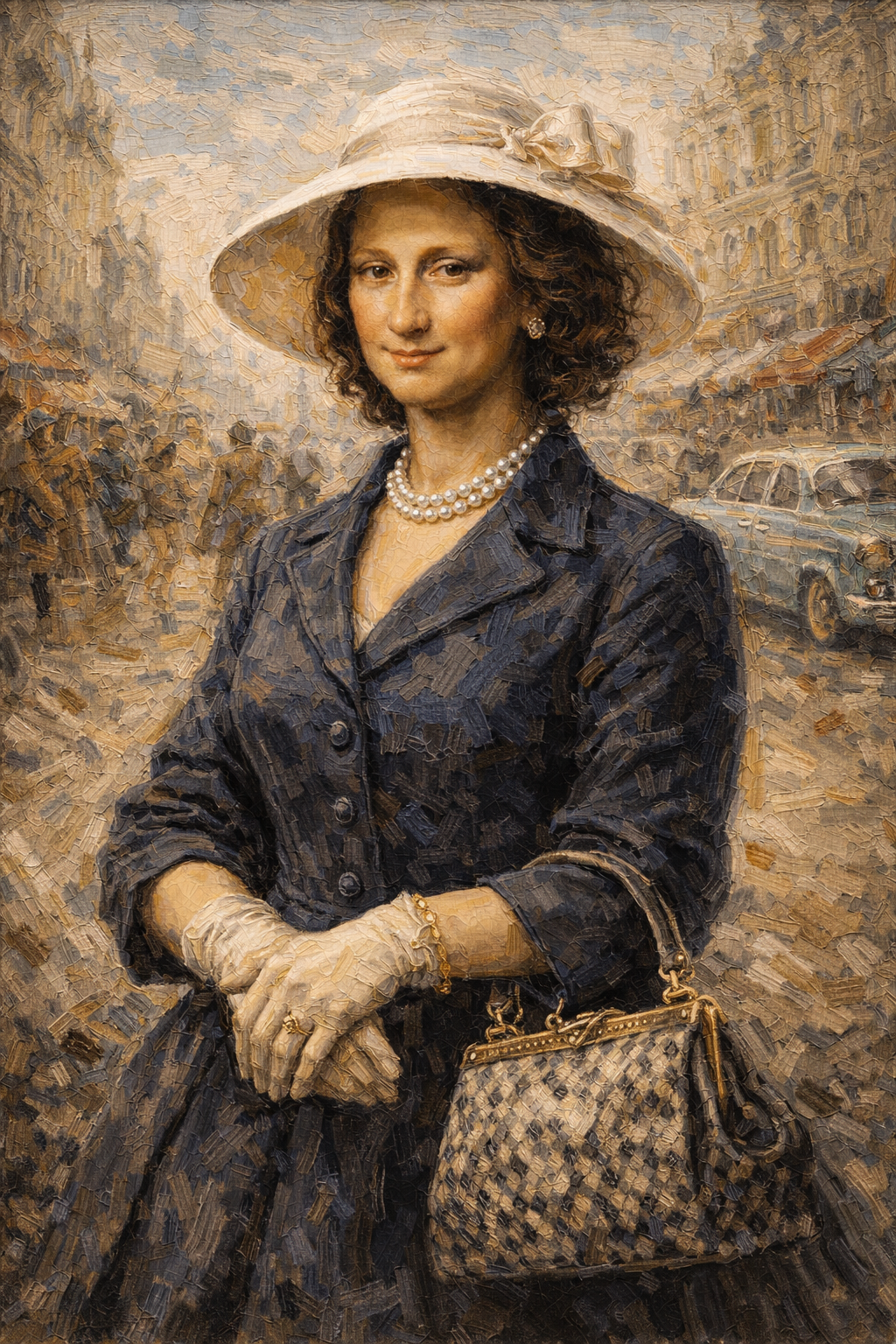
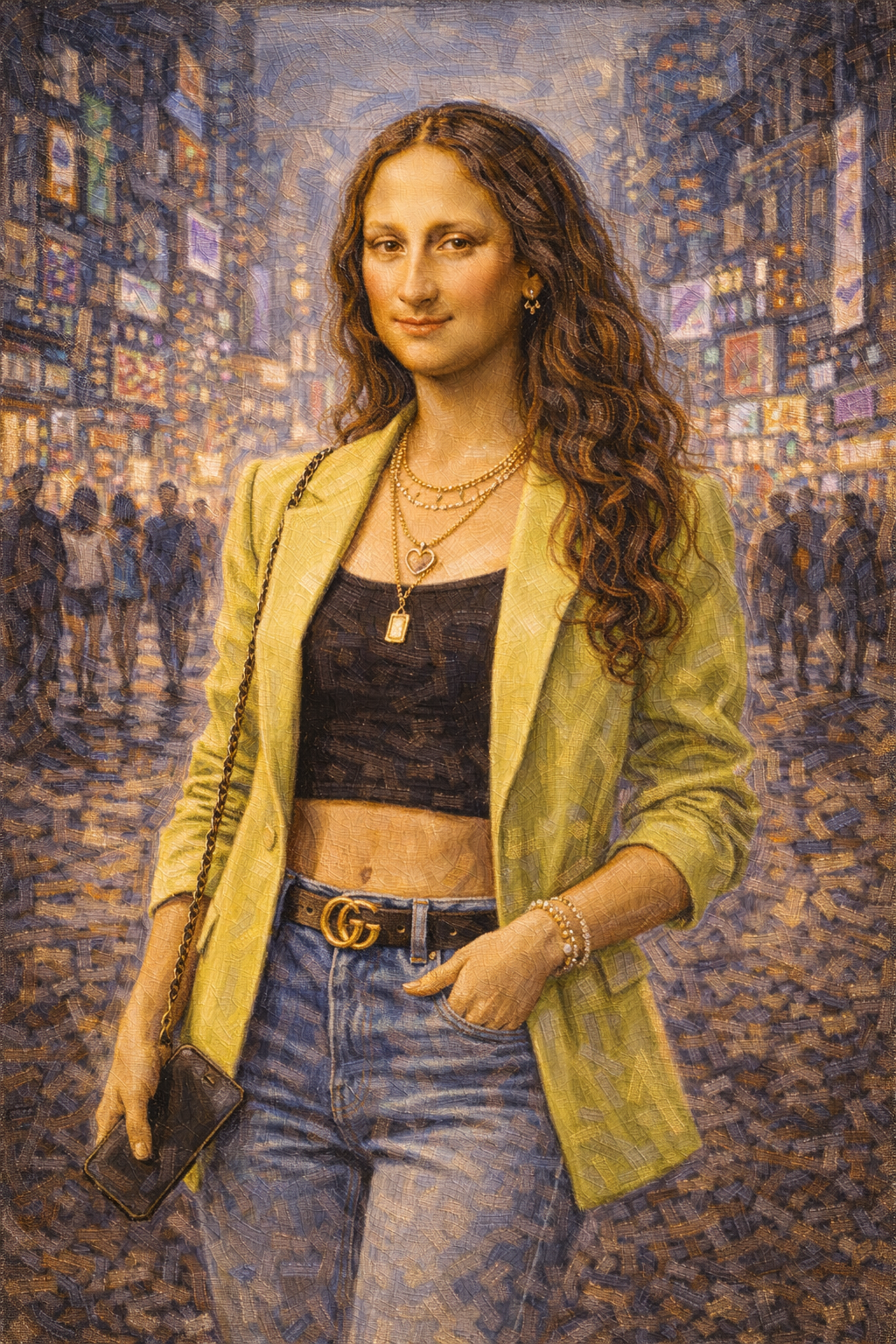
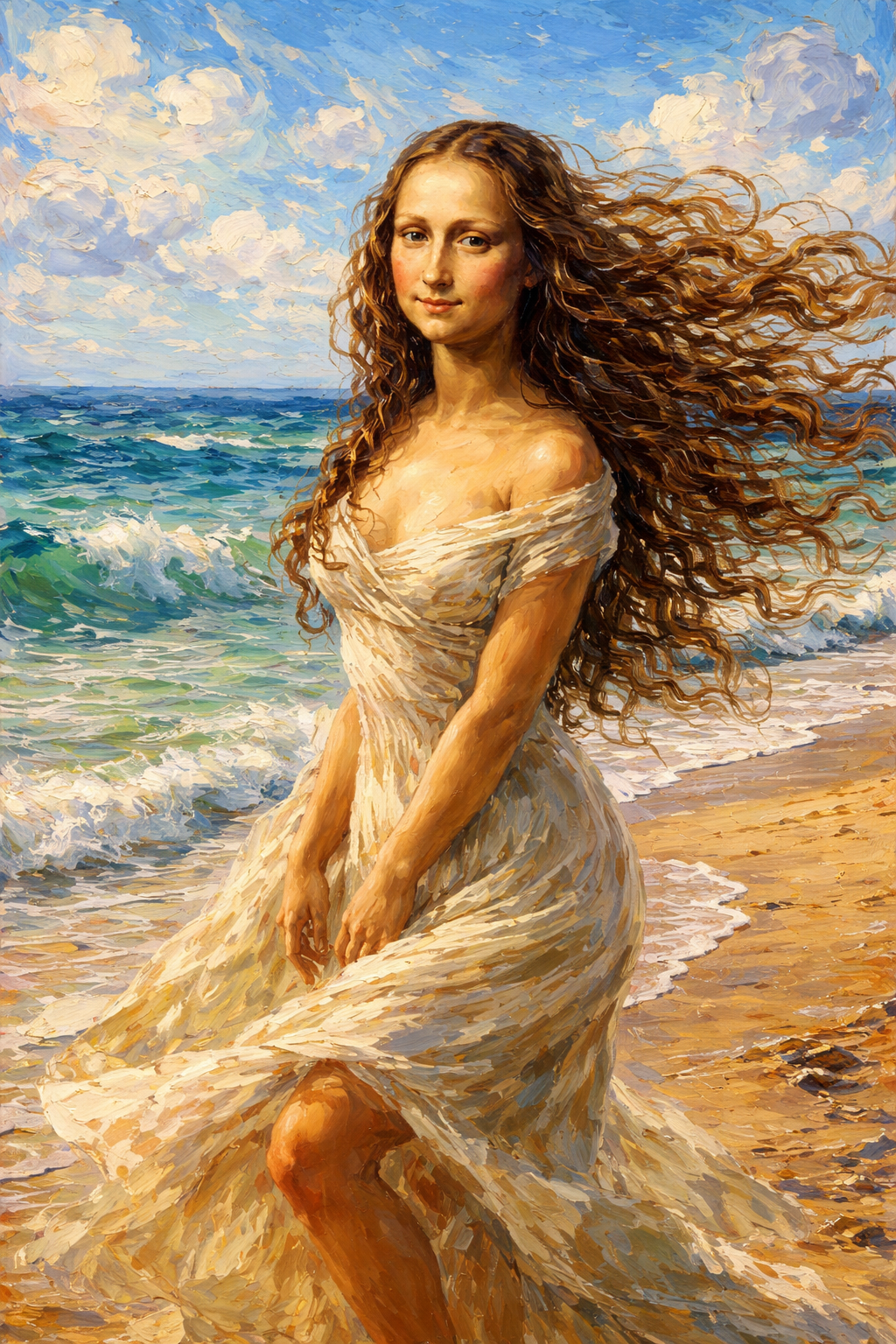
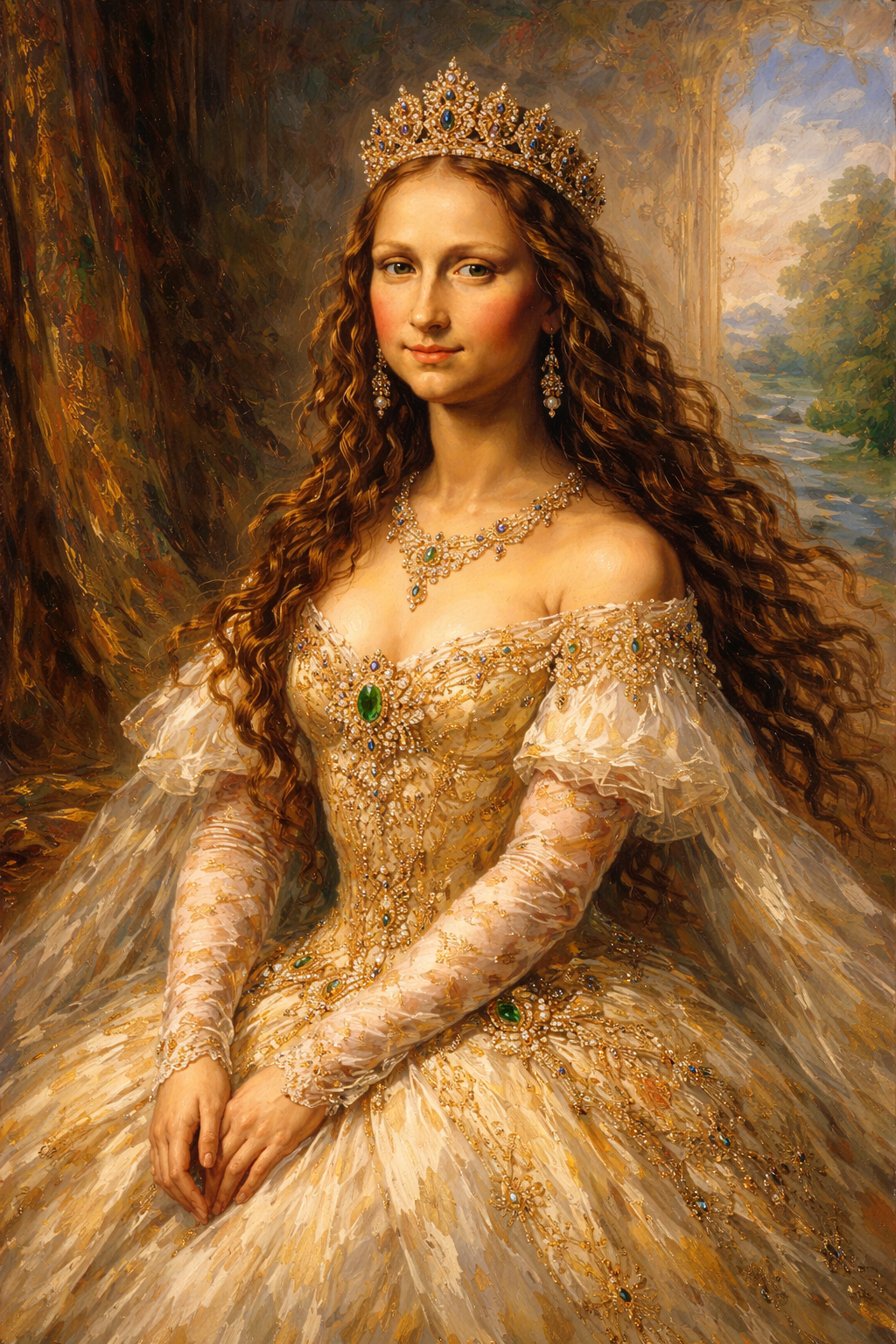
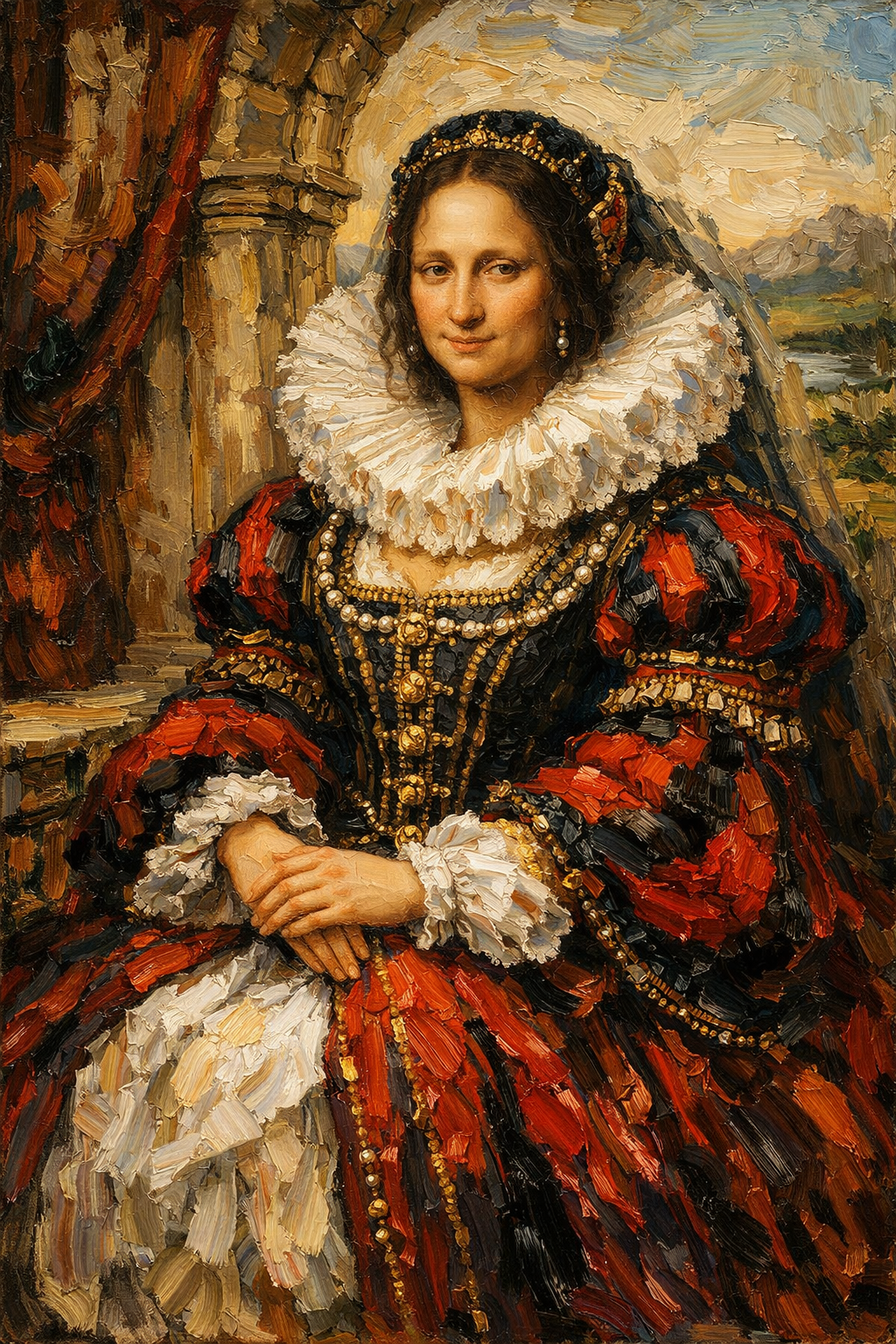
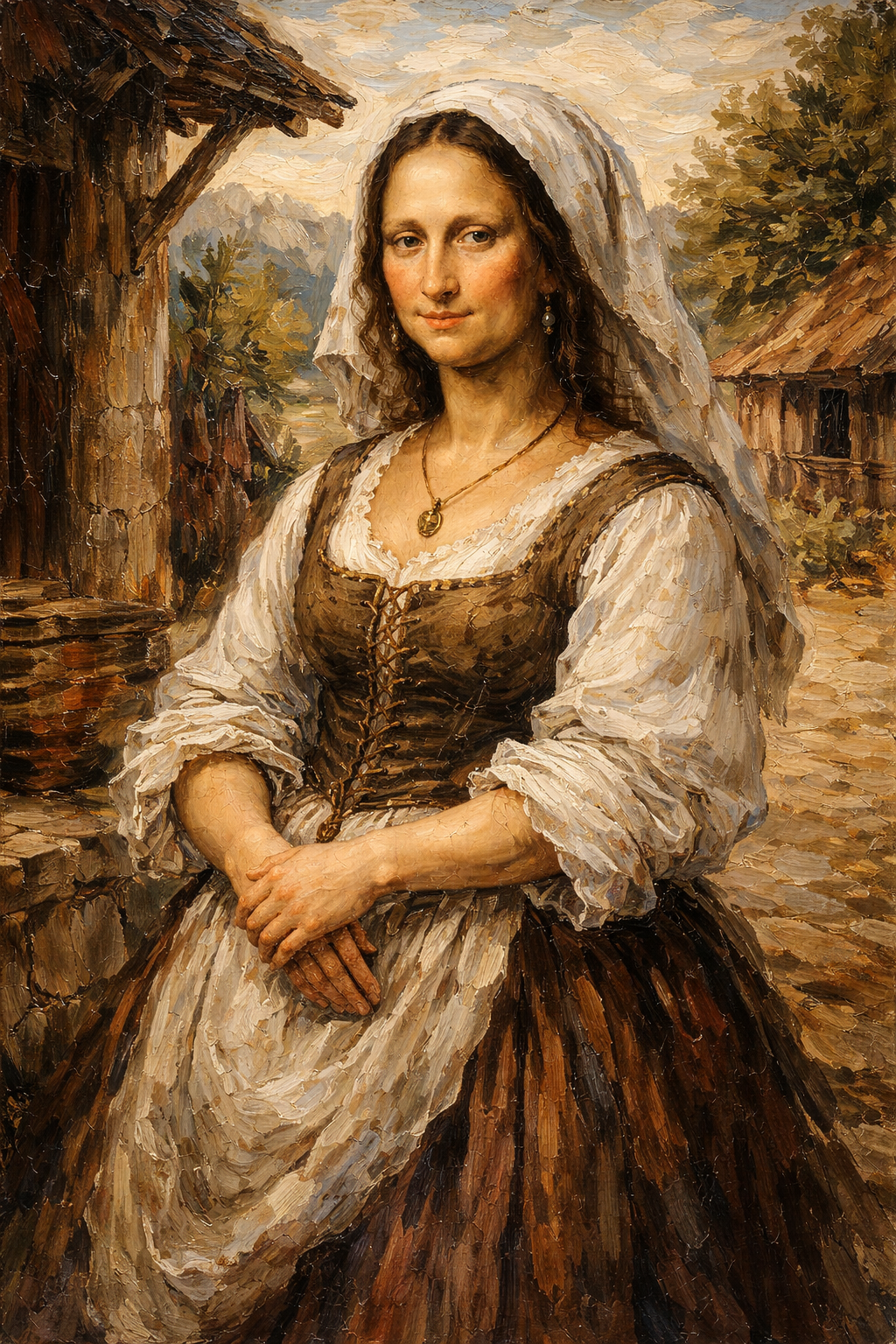
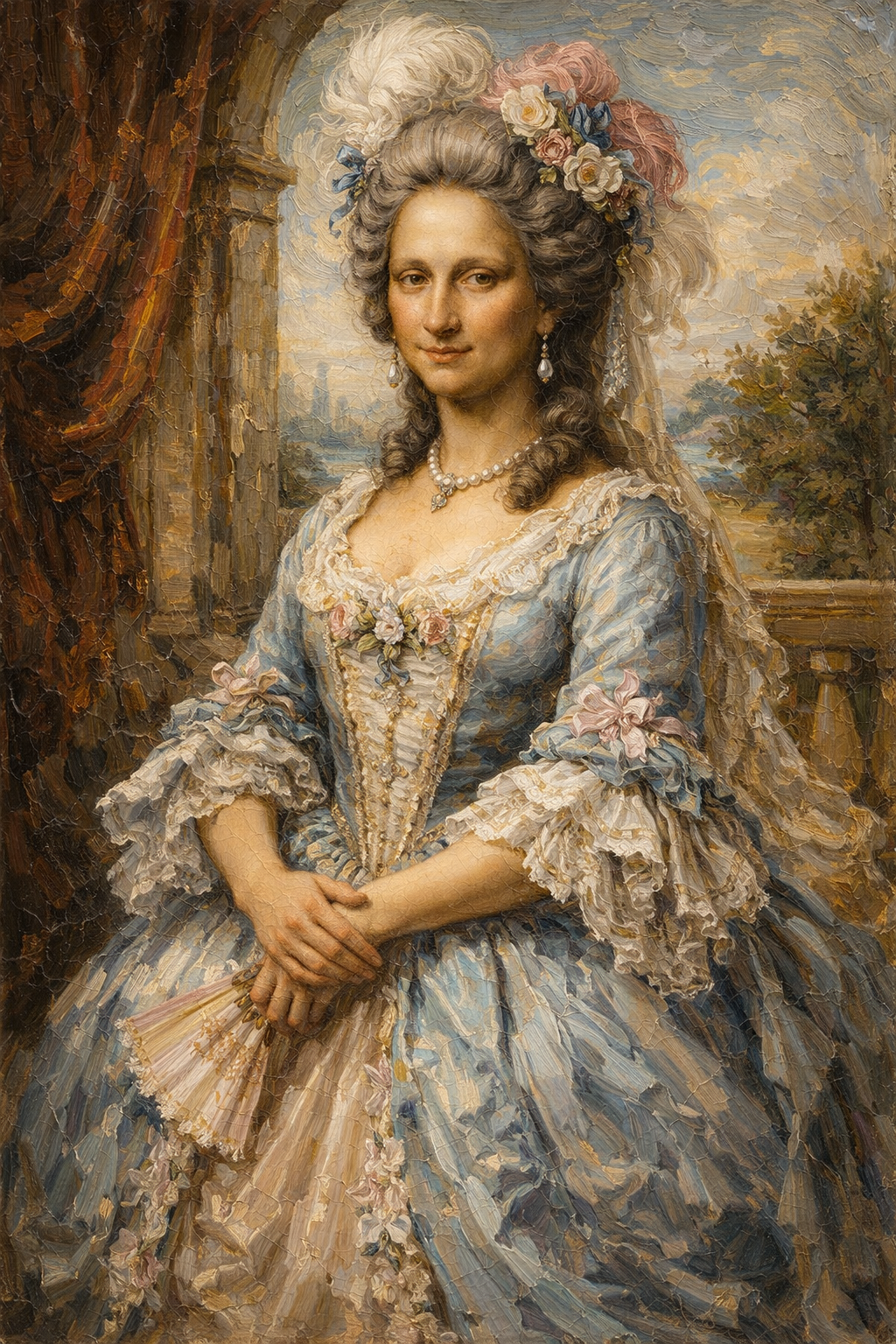
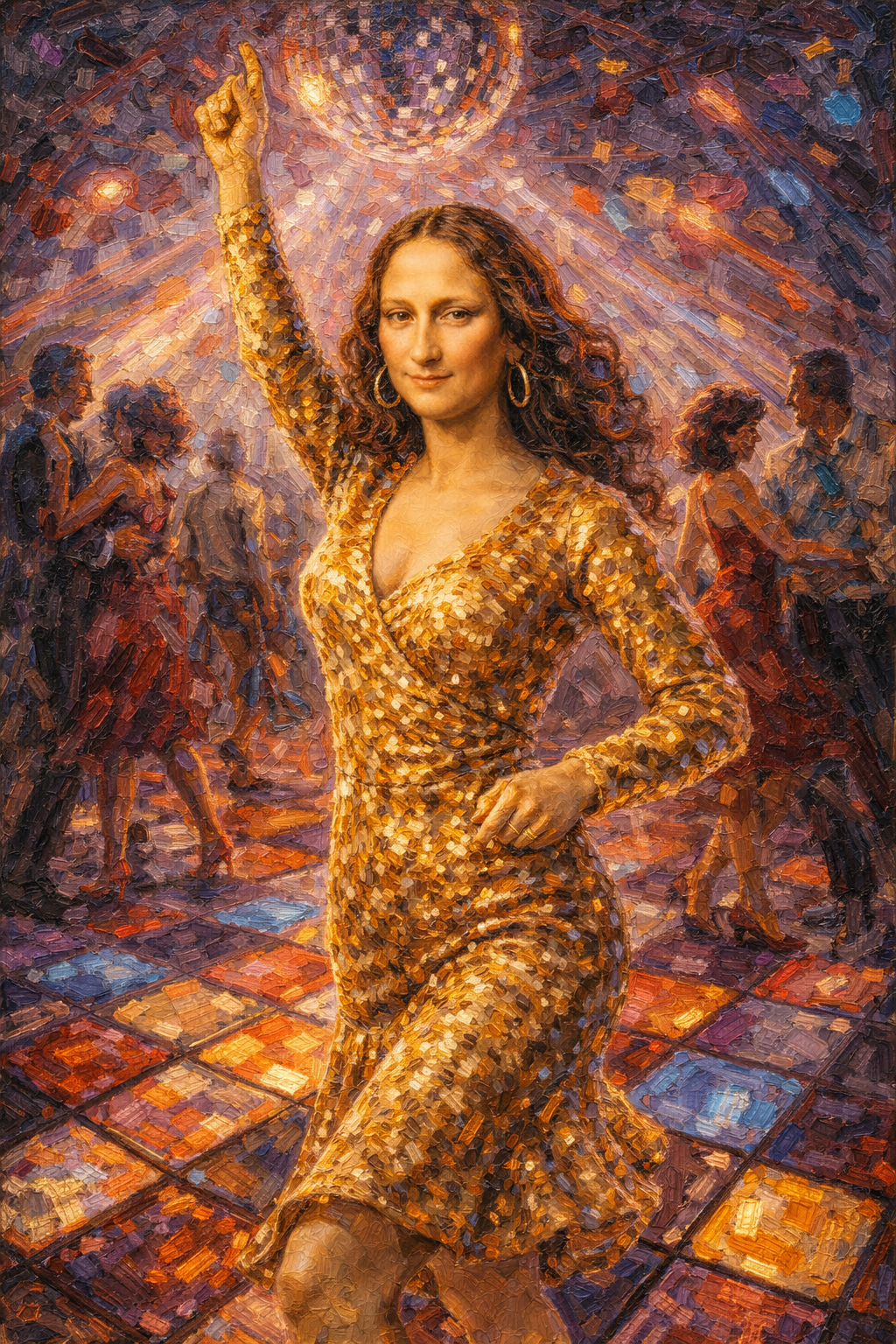
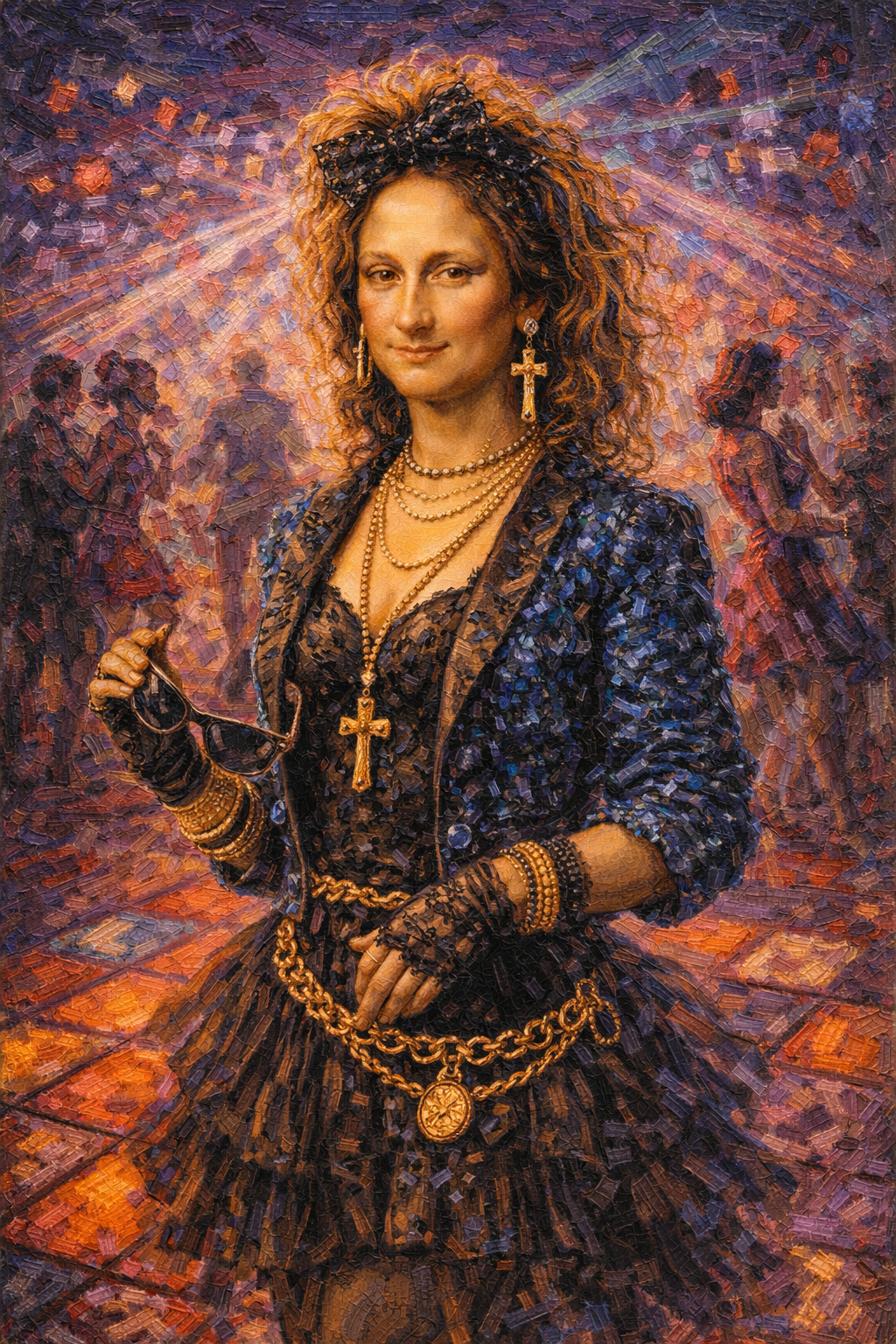
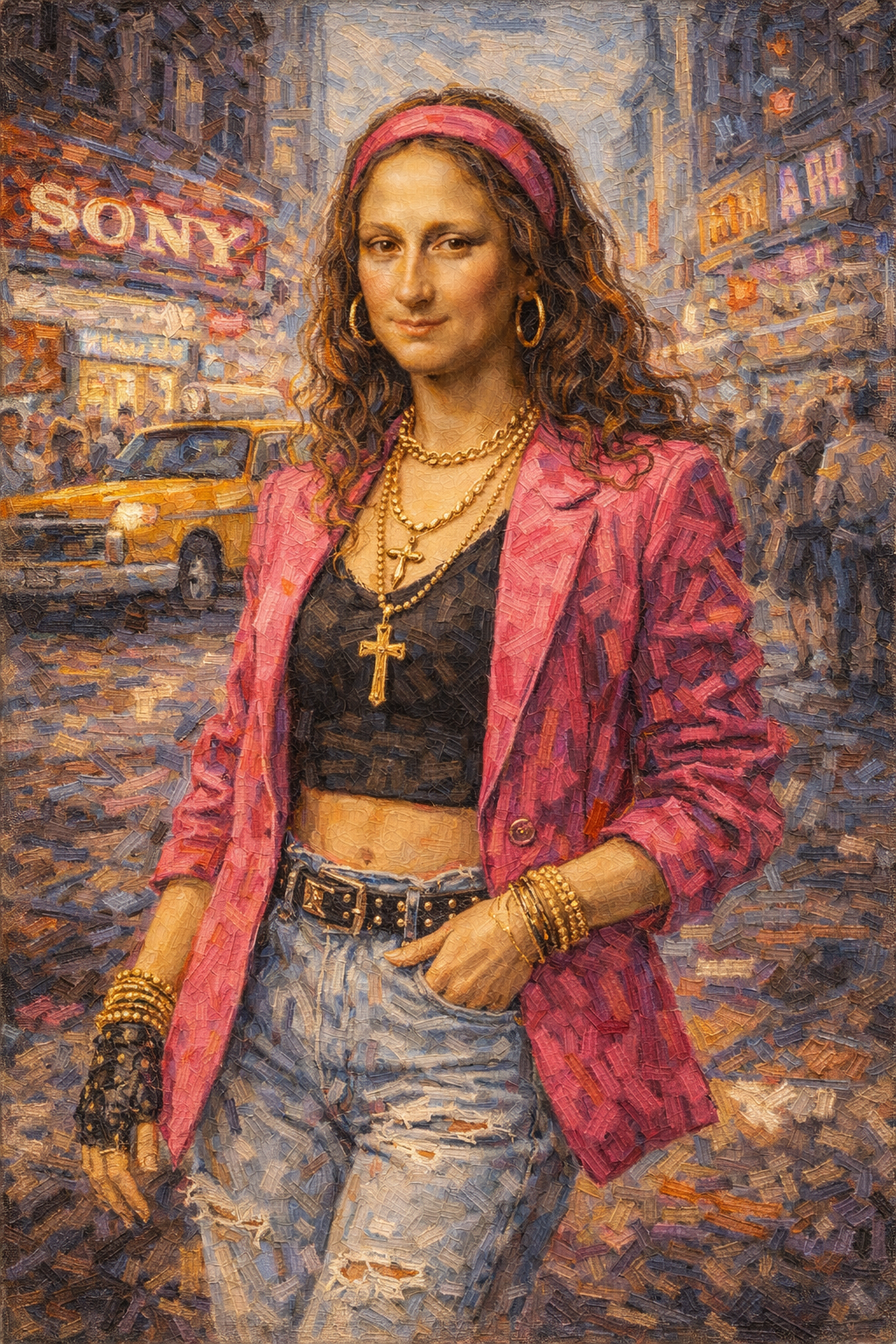
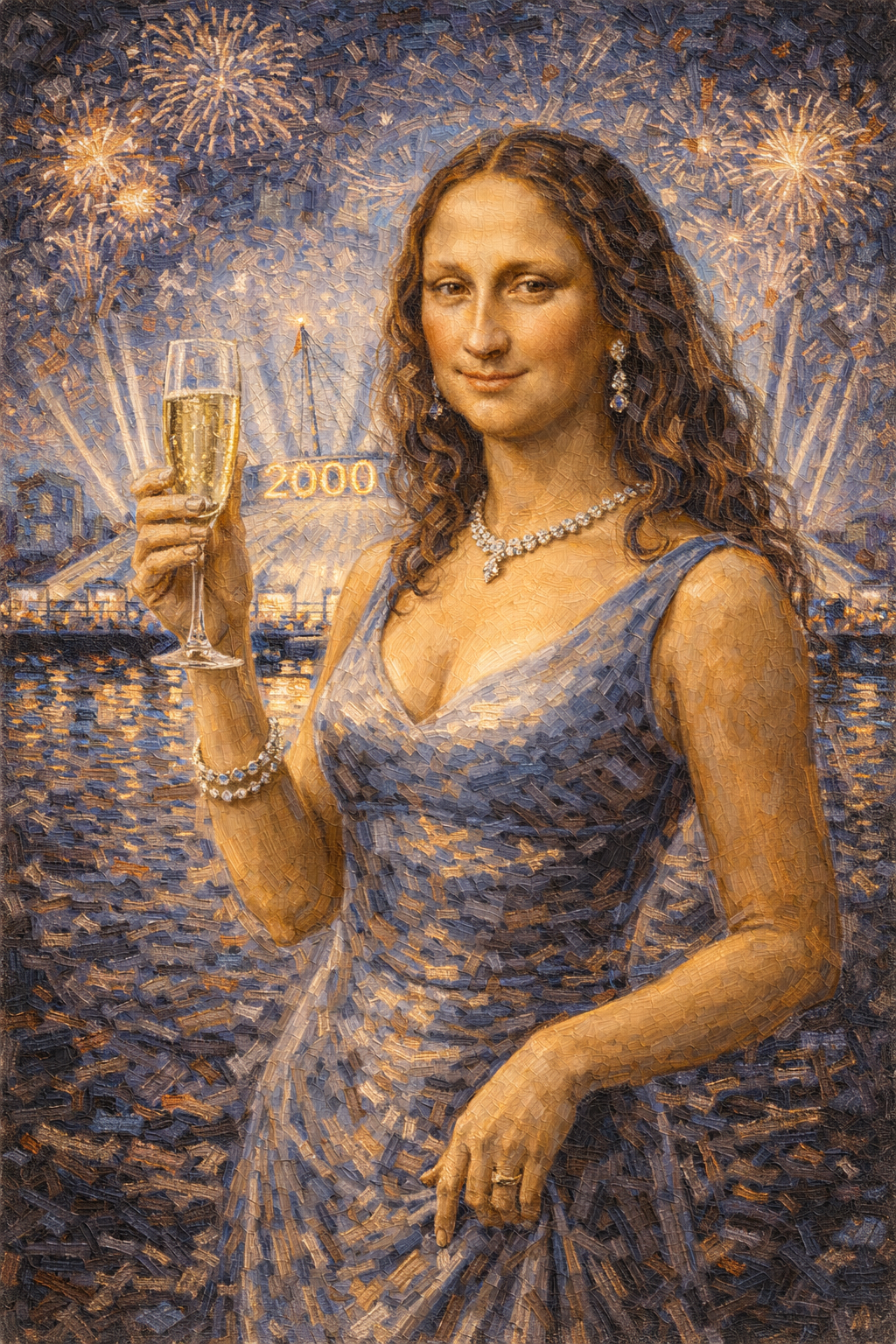
Mahrukh: Between Art, Memory, and the Psychology of Human Experience
Mahrukh is a distinguished artist and a specialist in criminology, a rare combination that has shaped her into a uniquely perceptive creative voice. Excelling in both fields, she has developed a remarkable understanding of human behavior, psychological depth, and emotional precision. In her hands, a pistol or rifle feels as instinctive as a paintbrush — guided not by aggression, but by discipline, intuition, and extraordinary focus. Her crime-based novel Page 87, along with the paintings featured within it, stands as a powerful testament to this unusual artistic and intellectual fusion.
A graduate of the prestigious National College of Arts, where she earned a respected Roll of Honour, Mahrukh possesses a rare ability to explore abstract ideas and emotions through visual language. Her work reflects themes of identity, memory, spirituality, and the complex intersection between the natural world and human experience. Through mixed media and experimental techniques, she transforms everyday materials into compelling visual narratives filled with symbolism and emotional resonance.
With a versatile and distinctive artistic style, Mahrukh has exhibited her work in galleries, museums, and cultural events, while also contributing to performing arts, puppetry, and interdisciplinary artistic expression. Her practice consistently bridges traditional art forms with contemporary creativity, encouraging inclusion, innovation, and cultural dialogue.
Deeply committed to artistic research, collaboration, and experimentation, she continues to push the boundaries of creative expression. For several years, she has also been associated with Alhamra Arts Council, where her contributions have enriched the cultural landscape and inspired a new generation of artists and thinkers.


