Art of Elegy Recital
The Art of Elegy Recital is not merely the recitation of grief, but the preservation of memory through the rhythm of words and silence. It carries within it the echo of sacrifice, loyalty, and those timeless journeys where truth walked barefoot across burning sands. Every elegy becomes a bridge between sorrow and dignity, where remembrance transforms pain into spiritual endurance. In its deepest essence, the recital of elegy keeps alive the light of those souls who chose honor over fear, and eternity over compromise.
Elegy Recital
In the Eastern tradition, particularly within Urdu literary culture, the art of elegy recital evolved into something far deeper than the mere recitation of mournful verse. It became a civilizational memory carried through voice, rhythm, pauses, and collective emotion. The tradition of marsiya khwani transformed poetry into a sacred emotional experience where the verses of great elegy poets were not simply spoken, but spiritually inhabited and reverently offered to listeners. In such gatherings, a couplet did not achieve completion until it travelled through the air, settled into the silence of hearts, and awakened remembrance within the audience. The listeners themselves became part of the recital, responding not only with words, but with sighs, tears, silence, and reflection.
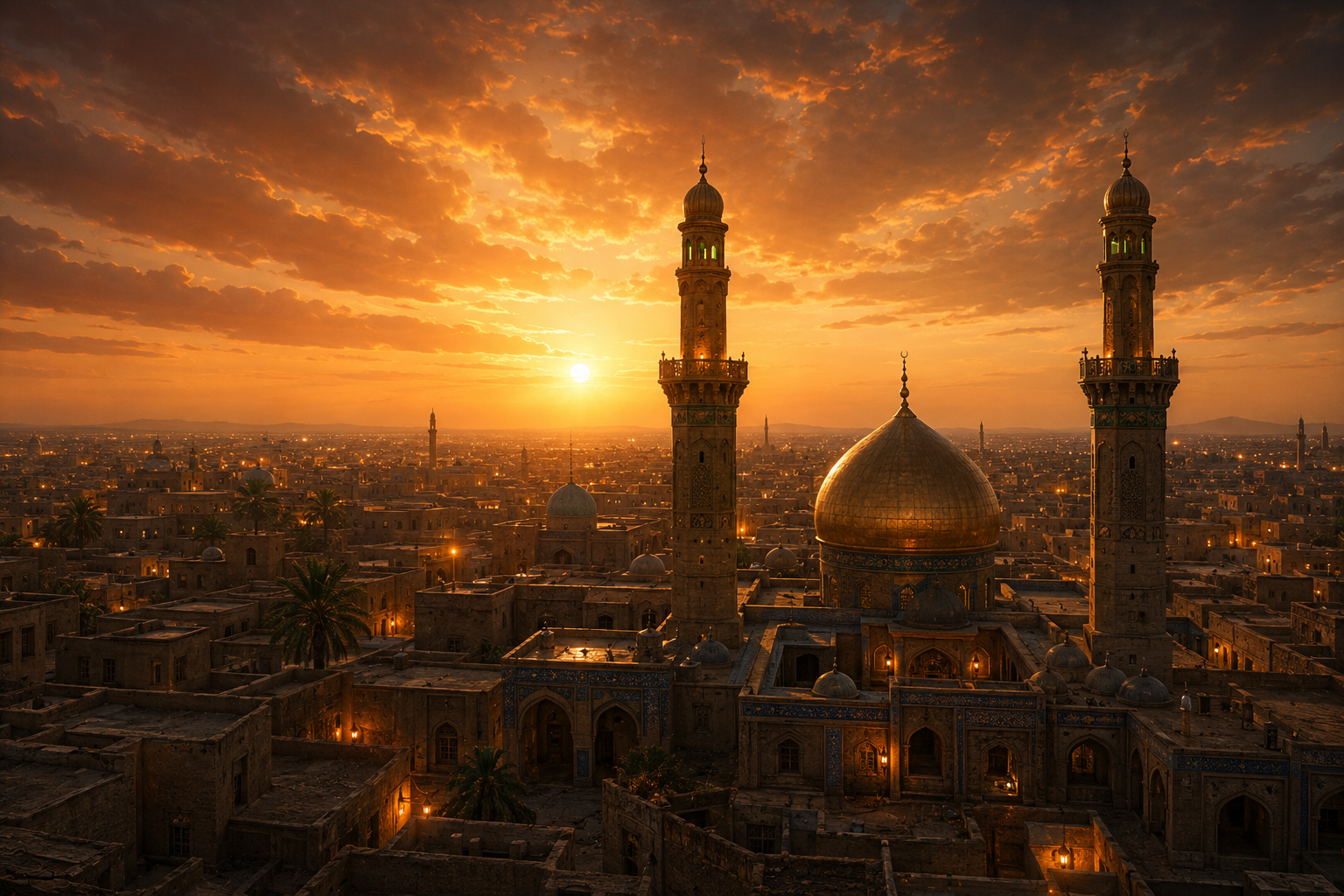
The Art of Elegy Recital preserves within it the echo of loyalty, sacrifice, thirst, and unwavering moral courage. Through trembling cadences, measured pauses, and emotional intensity, grief transforms into dignity and remembrance into spiritual endurance. Beneath every elegy lives the shadow of those eternal journeys where truth continued to walk barefoot across burning deserts, carrying honor even in the face of suffering and death. In this way, elegy recital becomes not only an artistic performance, but a living bridge between memory, humanity, and the timeless resilience of the human spirit.